

wild lemon / Limón salvaje (Mandarino)
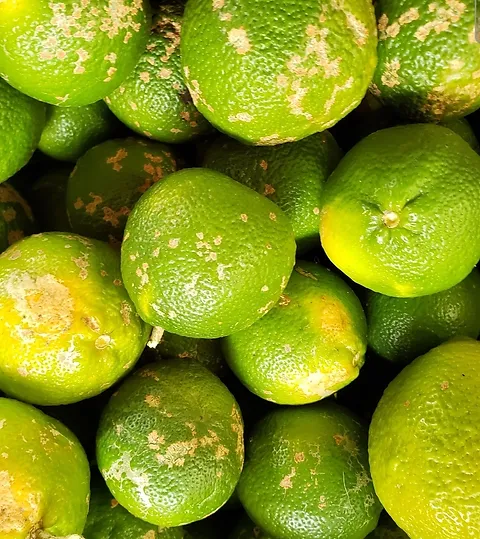
Wild lemon, commonly known as lemon or sour lemon, is a citrus fruit that grows on small trees and is prized for its tangy flavor and versatility.
Overview
It is widely used in cooking, baking, and beverages. Wild lemons are typically smaller and more acidic than cultivated varieties, giving them a unique taste profile.
Nutritional Profile
Wild lemons are low in calories but high in vital nutrients. Per 100 grams, they generally contain:
- Calories: Approximately 29 kcal
- Vitamin C: Essential for immune support and skin health.
- Potassium: Important for heart function and muscle contraction.
- Dietary Fiber: Aids digestion and helps maintain a healthy gut.
Culinary Applications
- Raw Consumption: Wild lemons can be juiced or zested to add acidity and flavor to dishes.
- Cooking: Use in marinades, dressings, and sauces for a refreshing zing.
- Beverages: Lemon juice is a key ingredient in beverages like lemonade and cocktails.
- Preserving: Wild lemons can be preserved in salt to create flavorful additions to dishes.
Ripening Process
To ripen wild lemons:
- At Room Temperature: Place unripe lemons at room temperature to allow them to mature, typically taking 1–2 weeks.
- Ripeness Indicators: Look for a bright yellow color and slight softness to indicate ripeness.
- Storage: Once ripe, wild lemons can be stored in the refrigerator for several weeks, retaining their freshness and flavor.
