
The Benefits of Eating Colombian Fruits
- Rich in Nutrients
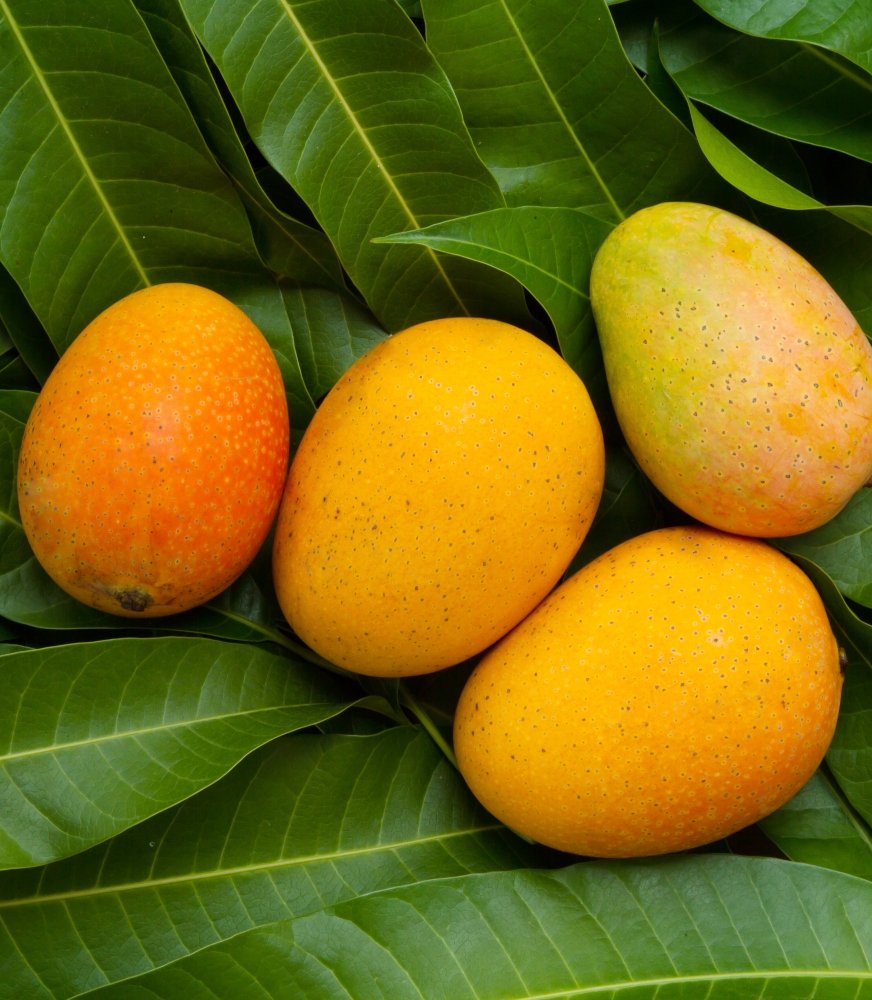
Colombian fruits are packed with essential vitamins, minerals, and antioxidants. Tropical fruits like papaya, mango, and guava are rich in Vitamin C, which boosts the immune system, and Vitamin A, which promotes healthy skin and vision. - Support Digestive Health
Fruits such as pineapples and passion fruit are high in dietary fiber, which aids digestion and promotes a healthy gut. The natural enzymes in these fruits, like bromelain in pineapple, help break down proteins and improve nutrient absorption. - Boost Energy Levels
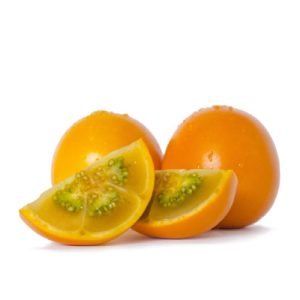
Colombian fruits like bananas and granadillas are excellent sources of natural sugars and carbohydrates, providing a quick and sustained energy boost. They’re perfect for a mid-day snack or as part of a balanced diet to keep you energized throughout the day. - Aid in Weight Management
Low in calories and high in water content, fruits like watermelon and strawberries help you feel full longer, making them great for weight management. Their natural sweetness can also satisfy cravings for sugary snacks, helping you stick to a healthier diet. - Promote Heart Health
Fruits like avocados and dragon fruit are rich in healthy fats, potassium, and fiber, which help lower cholesterol levels and reduce the risk of heart disease. The antioxidants in these fruits also protect against oxidative stress, supporting overall cardiovascular health. - Enhance Skin Health
The abundance of vitamins and antioxidants in Colombian fruits helps maintain youthful, glowing skin. For example, the high Vitamin C content in citrus fruits like oranges and limes boosts collagen production, while the hydrating properties of fruits like cucumbers and watermelons keep your skin moisturized. - Support Local Farmers and Sustainable Practices
By choosing Colombian fruits, you’re not only enjoying delicious and nutritious produce but also supporting local farmers who use sustainable farming practices. This helps preserve Colombia’s rich biodiversity and promotes eco-friendly agricultural methods.

Leave a Reply