Description
Appearance:
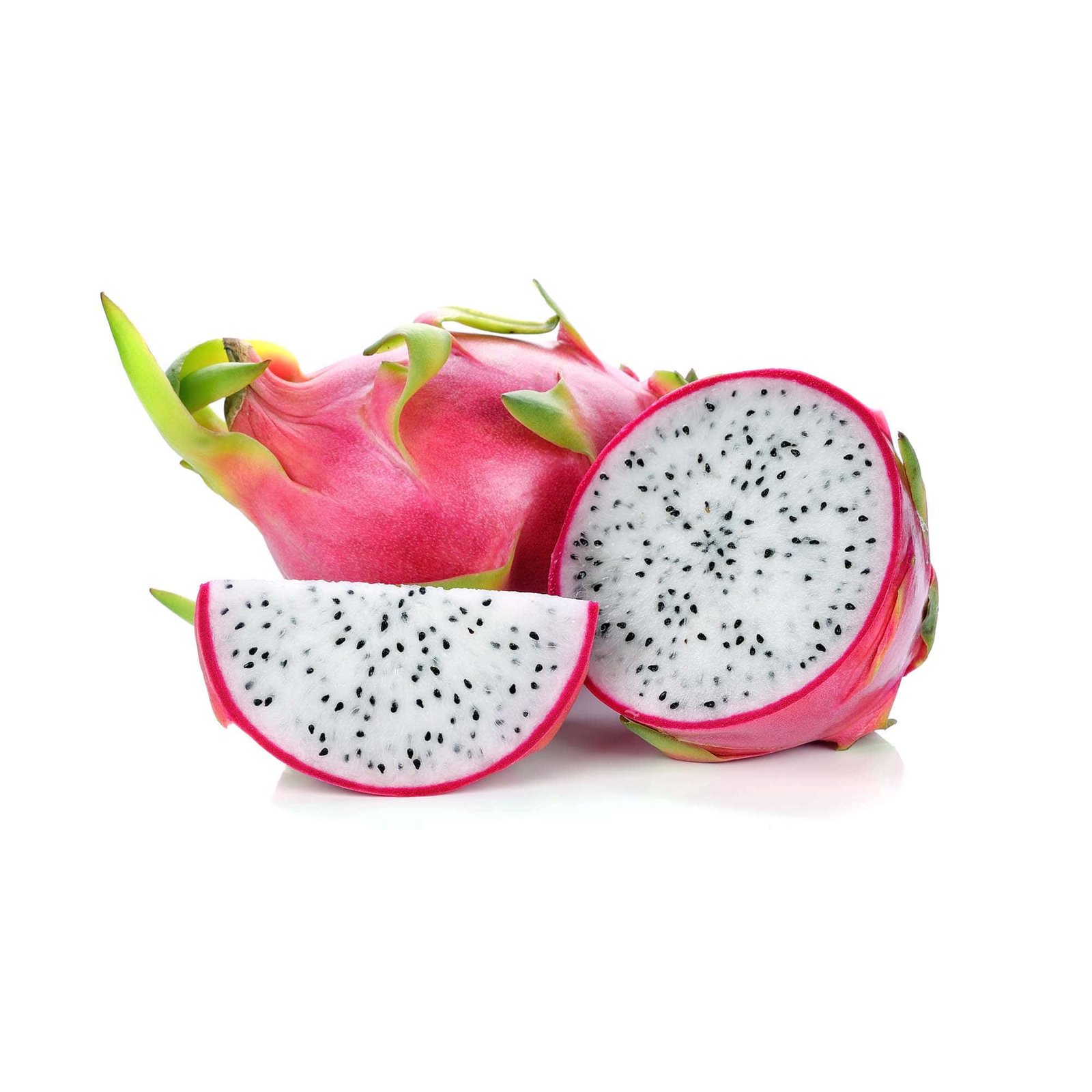
- Exterior: Dragon fruit has a distinctive, bright pink or yellow skin covered in green scales, resembling the scales of a dragon, which is how it got its name. The skin is tough but easy to peel.
- Interior: Inside, the flesh is typically white, red, or magenta, speckled with numerous small black seeds similar to those found in kiwi. The flesh is juicy and slightly sweet with a mild flavor.
Varieties:
- Hylocereus undatus: White flesh with pink skin.
- Hylocereus costaricensis: Red flesh with pink skin.
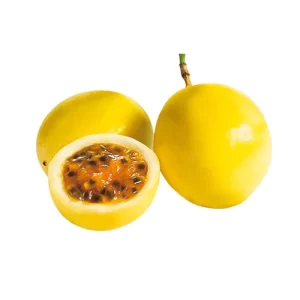
- Hylocereus megalanthus: White flesh with yellow skin.
Nutritional Benefits:
- Low in Calories: Dragon fruit is a low-calorie fruit, making it a great option for those watching their calorie intake.
- Rich in Nutrients: It is packed with essential vitamins and minerals, including vitamin C, vitamin B, calcium, iron, and magnesium.
- High in Fiber: The fruit is a good source of dietary fiber, which aids in digestion and helps maintain a healthy digestive system.
- Antioxidant Properties: Dragon fruit contains powerful antioxidants, such as betalains, polyphenols, and flavonoids, which help protect the body against free radicals and reduce the risk of chronic diseases.
- Hydrating: With its high water content, dragon fruit is very hydrating and helps maintain fluid balance in the body.
- Boosts Immunity: The vitamin C content in dragon fruit helps strengthen the immune system and promotes healthy skin.
Culinary Uses:
- Fresh: Dragon fruit is often eaten fresh, scooped out with a spoon directly from the skin.
- Smoothies: It can be blended into smoothies for a vibrant color and refreshing taste.
- Salads: Add dragon fruit to fruit salads or green salads for a unique twist.
- Desserts: Use it in desserts such as sorbets, ice creams, and parfaits.
- Beverages: Dragon fruit juice or infused water are delicious and hydrating options.
How to Eat:
- Cut the dragon fruit in half lengthwise.
- Scoop out the flesh with a spoon or cut the flesh into cubes.
- Discard the skin and enjoy the flesh as is or incorporate it into various dishes.
Fun Facts:
- Dragon fruit is native to Central and South America but is now widely grown in tropical and subtropical regions around the world.
- The flowers of the dragon fruit cactus are large, fragrant, and bloom only at night, earning them the nickname “moonflowers.”