

Passion fruit yellow / Maracuyá
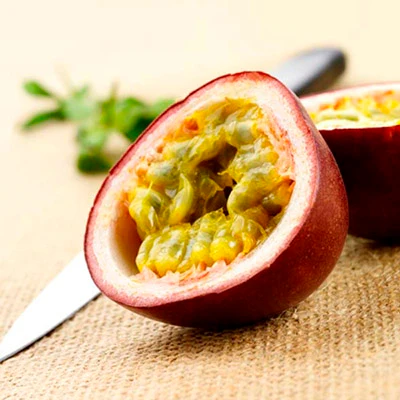
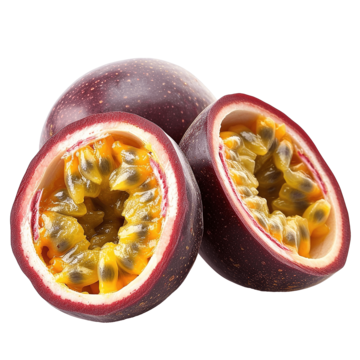
Passion fruit is a tropical fruit known for its aromatic flavor and vibrant yellow or purple skin.
Applications and Uses
Its sweet-tart pulp is commonly used in beverages, desserts, sauces, and salads. The fruit adds a refreshing twist to cocktails and smoothies and can be drizzled over yogurt or used in dressings.
How to Consume
- Raw: Cut the fruit in half and scoop out the pulp and seeds. It can be eaten fresh or mixed with other fruits.
- Juices & Smoothies: Blend the pulp with water, ice, or other fruits to make delicious drinks.
- Desserts: Use in cakes, mousses, or sorbets for a tropical flavor.
Ripening Process
To ripen passion fruit:
- At Room Temperature: Store unripe fruit at room temperature for 5–7 days.
- Signs of Ripeness: The skin should become wrinkled and slightly soft. While it can be consumed at this stage, the flavor intensifies as it ripens.
- Storage: Ripe passion fruit can be stored in the refrigerator for up to a week. Wrinkled fruit is perfectly fine to eat and often has a sweeter flavor.
Nutritional Profile
Passion fruit is low in calories but rich in essential nutrients. Per 100 grams, it contains:
- Calories: Approximately 97 kcal
- Vitamin C: Important for immune health and skin.
- Dietary Fiber: Aids digestion and promotes gut health.
- Antioxidants: Contributes to overall health and may help reduce inflammation.
Passion fruit also contains beneficial compounds like carotenoids and polyphenols, which have antioxidant properties.
